
Hub
Midrand
For SME teams running weekly freight in northern Gauteng, our Midrand hub offers practical, focused review sessions. Handle checklists, problems and updates in one clear meeting.
Midrand Freight Node · Suite 2
Old Pretoria Rd node
Midrand
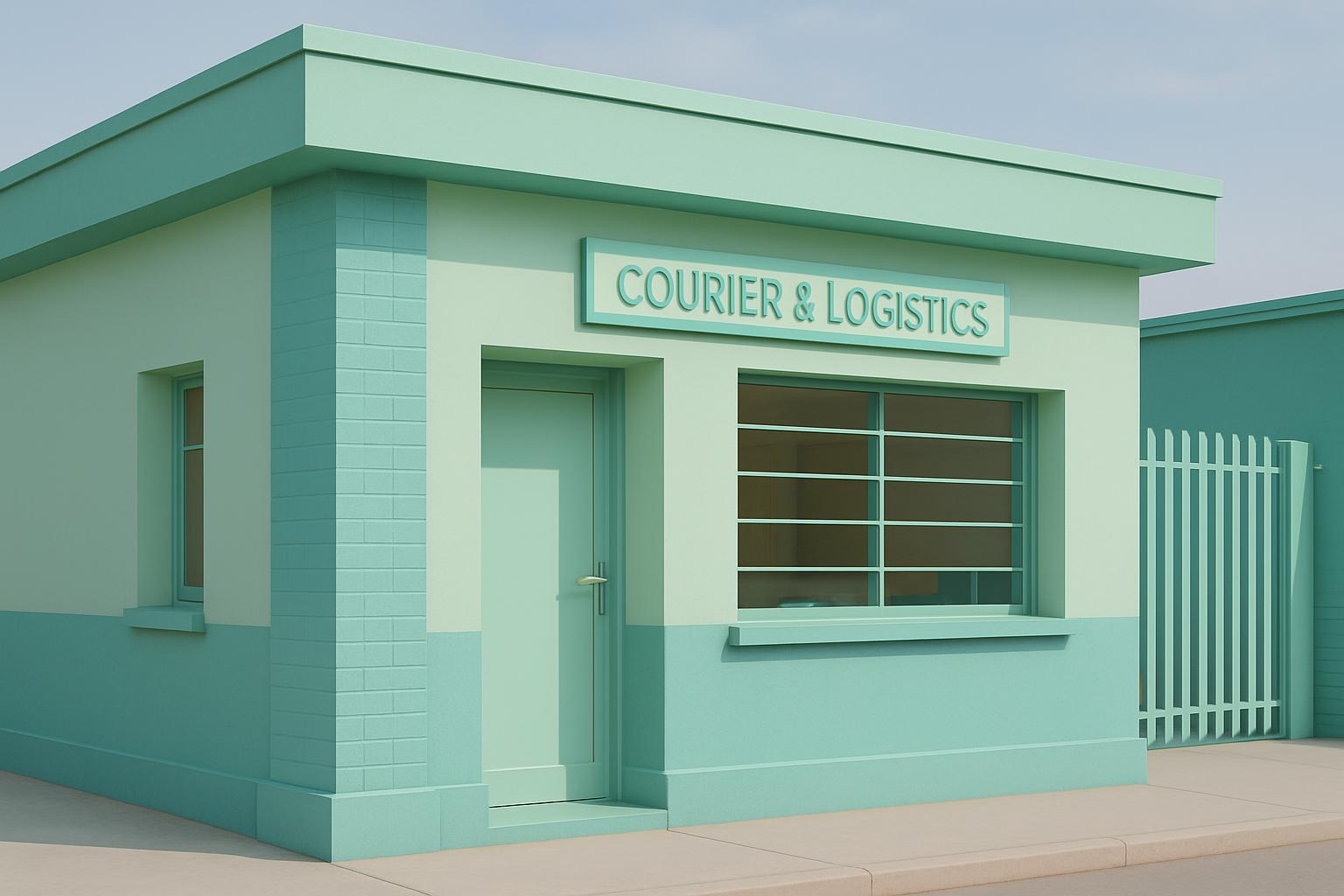
Who uses the Midrand hub and why
Our Midrand hub suits growing small businesses in northern Gauteng with busy, recurring delivery routes. If you manage suburb loops, estate drop-offs or returns and need to keep the handover process calm and on-track, a Midrand hub review gives you a single touchpoint for sorting out problems and rolling out improvements. It’s not meant for walk-ins, last-minute panics or single-package drop-offs. You get the most value if you bring real, running freight issues from your team’s current week - not hypothetical plans for next year.
Owner-operators, dispatch teams, and operations managers from Fourways to Centurion usually book Midrand. Larger, multi-lane reviews stay with Johannesburg HQ; specialist packaging and humidity queries fit better at Durban; and estate onboarding in Pretoria East is handled at Pretoria East.
What happens at a Midrand hub review
Each regional hub review is an appointment-based working hour. You bring your current checklist, even if it is unfinished, a single-line problem line and a team member who can make follow-up decisions. There is no sales talk, just direct review of your actual route. We orientate documents, tweak lane cards on the spot, and issue a written follow-up note. Multi-move reviews or anything needing corporate-level approval are better handled at Johannesburg HQ.
Hubs allow teams to address operational problems that pop up locally, like an estate refusing access after 4pm in Kyalami, mall counters with lunch closures, or label issues from Highveld dust. We adapt to real Gauteng conditions, including load-shedding and area-specific access rules.
How to prepare for your hub booking
Preparation is practical and makes the most of your booked hour. Before you message, collect the right documents and decide who is responsible for next steps. Attach a recent photo or PDF of your active checklist. Prepare a one-line problem line that sums up your main current obstacle. Mention which route or lane you are running this week. If you know you do not have a checklist yet, let us know in your message and we’ll set aside time to build one during the review. Include any travel limits or preferred time slots so we can coordinate your review around power windows.
- Problem line (one clear line, e.g. 'Returns get stuck after estate gate closes')
- Photo or PDF of your current checklist
- Named owner responsible for next actions
- The lane or suburb loop you’re running
- Timing and travel limits for your team
- Let us know if you’ll need to build a checklist during the session
A real example: calm returns and estate loops
A bakery in Glen Austin runs two suburb loops each week with daily estate returns. They book a Midrand review to fix frequent issues with parcels getting returned late when estate boom hours change with little notice. They send a message through our contact form, attach their partial checklist, and name the team lead. During the hour we revise their lane card to include estate contact times, add a simple calendar note for drivers, and update their label stock to better handle dusty Highveld storage. They leave with a clear plan and a follow-up note.
By pairing their hub visit with a weekly move update, they keep language and instructions consistent for their whole team.
Common pitfalls and how we avoid them
Teams sometimes arrive without an updated checklist or leave the booking message too vague, which means we spend the first twenty minutes sorting out what’s really happening instead of fixing it. If you know your checklist is missing, just tell us up front so we can structure the hour to allow for both building and reviewing.
Estate access, mall lunch hours, campus security, and power window mismatches trip up new teams every week. We spend time during the hub hour recording the exact constraints for your routes. That way, your move and lane cards match local realities and no one loses track mid-week. Don't forget to request a follow-up note and update your move checklist after the hub session.
See corridor brief form and recent projects.
What our Last-Mile Delivery customers say
Verified Google reviews