
Rhythms
Rhythms courier businesses reuse
Rhythms are reusable boards, cards and cues that help South African courier teams manage routes, collections, returns and handovers without fuss. Here’s how operators and team leads keep week-to-week deliveries running calmly.

Monday lane board
One board that names the week's suburb and same-day lanes.
View →
AM PM slot card
Daily honest bands pinned where the kettle lives.
View →
Collect band sheet
Mall and office pickup windows for the day.
View →
Returns Friday clear
Reverse lane checklist so Friday does not pile up.
View →
Fragile tempo note
Soft tempo reminder for care routes.
View →
Power soft-move tree
What to protect when load-shedding hits the hub.
View →
Hub transfer card
Transfer cues between regional hubs.
View →
Exception log week
Misses written without blame, reviewed Friday.
View →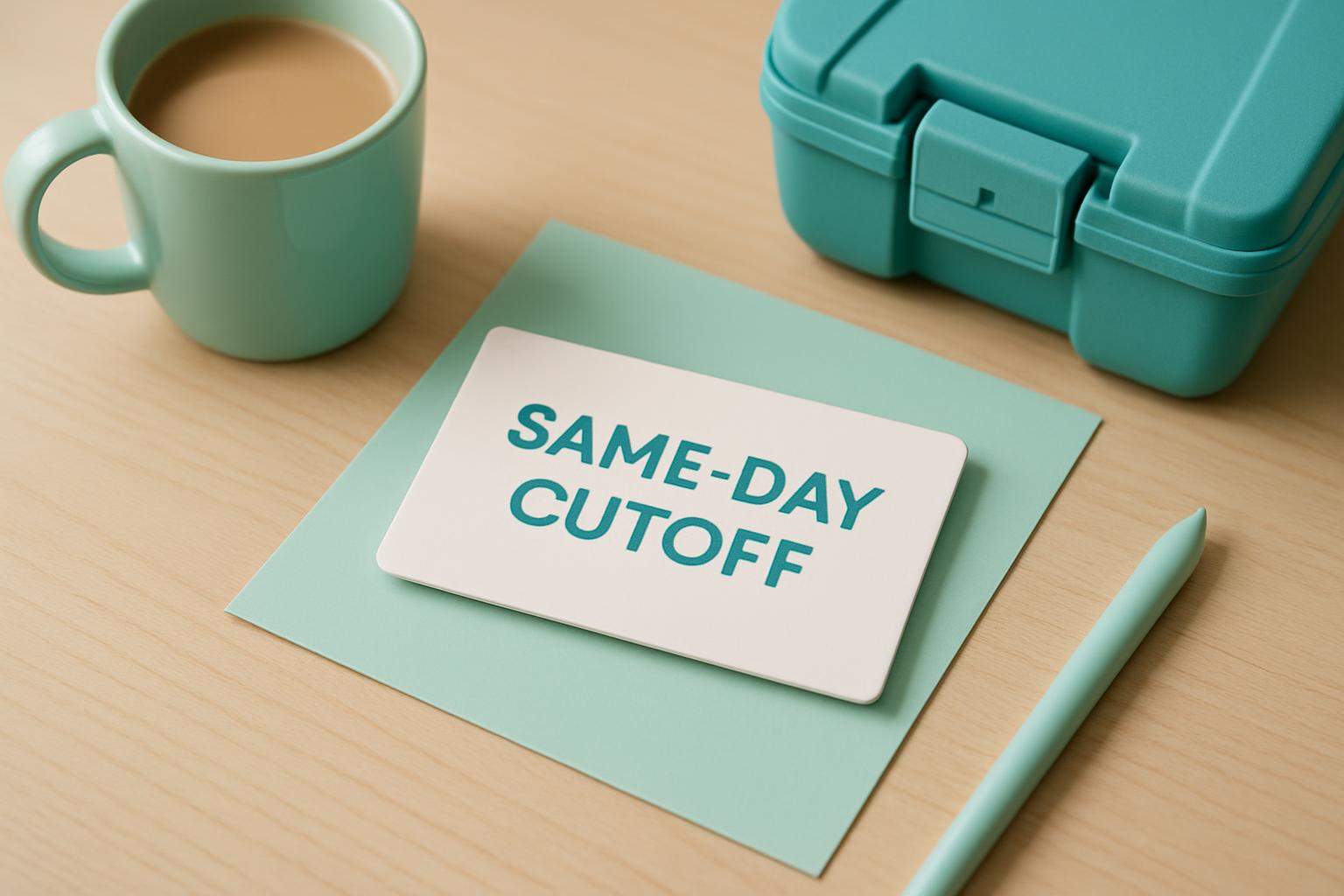
Same-day cut-off card
Morning and midday cut-offs for florists and bakeries.
View →
Customer status card
Three status lines the support team can paste.
View →What are rhythms and who are they for?
Rhythms are practical routines and shared tools like lane boards, slot cards and returns checklists, reused in courier operations across Gauteng, Cape Town, Durban and beyond. Owners, dispatch leads and on-floor teams use these rhythms to keep daily movements, collections and returns organised, without letting admin pile up under pressure. If you run a growing team handling deliveries, collections or same-day handovers, these rhythms help everyone know exactly where each job sits, from the morning rush until the last parcel clears the bay on Friday.
- Lane boards show who’s moving what, and where.
- Slot cards pin daily time slots to the wall, not to-do lists.
- Collect band sheets break down mall and office pickups.
- Returns cards ensure Friday closes without a backlog.
Choosing between core rhythms
Courier teams usually pair a mix of Monday lane boards, AM PM slot cards and collect band sheets to fit their route density and customer habits. For example, a team serving up fresh deliveries to florists and bakeries will rely on the same-day cut-off card and slot cards to avoid missed windows. Teams handling offices, showrooms or shopping centres typically use the collect band sheet to plot out who needs collecting and when.
Not every rhythm is needed every day. If you find your team doubling up, start with a lane board and returns card, then add collection or exception logs once the basics are running. Test each rhythm for a week before rolling it out fully.
- Check which tools fit your daily volume and route mix.
- Don’t overload the wall, pick what gets used by all shifts.
- Add new rhythms slowly, and let the team decide what sticks.
Mistakes to avoid when setting rhythms
Many teams try to rush out too many routines at once, or copy a rhythm that suits a different city or customer base. Overplanning slows everyone down, especially when suburbs, malls or weather shift plans midweek. Some teams turn rhythms into decoration instead of working boards, leaving them with pretty cards but no practical benefits.
A common pitfall is skipping the review of exceptions or returns on Fridays, letting trouble hide until busy months strike. Forgetting to check power boards before load-shedding catches even the best planners off guard. Make sure your exception log week and power soft-move tree are working, not just stuck to the window.
- Don’t use rhythms as decoration, they must move every week.
- Failing to review exceptions means repeat mistakes.
- Skipping a return check on Friday causes delivery build-up.
How rhythms handle problems other systems miss
When operators hand over to a new shift or send parcels between hubs, rhythms like the hub transfer card and customer status card stop confusion before it starts. A clear Friday return checklist shows what is left on the floor, even if a truck breaks down in Polokwane or a mall closes early for maintenance. Care notes, such as fragile tempo notes, remind teams to handle flowers, cakes and glassware with extra care, especially during Highveld storms or coastal humidity.
Rhythms don’t rely on apps or perfect signals. They help teams stay organised when printers jam, the power trips, or you are working from a small hub outside town. Most courier teams in our network update rhythms with the operator’s own handwriting most weeks, so nothing is lost between the kettle and the yard.
- Supports smooth handovers during shift changes.
- Cues for safe handling in rough weather.
- Visible status lines for support teams and operators.
Where to start and how to get answers
Start with the basics, pick a Monday lane board or returns card and see how the routine works in your own depot or workshop. Check our full moves section for more ideas on toolkits and routines. If you have questions about which rhythms will work for your team size or routes, send us a message through our contact form. Our team has seen rhythms in action from industrial parks in Germiston to small-scale courier setups in Gqeberha.
Better routines mean less stress and fewer mistakes at handover. With the right rhythms, your operations team can clear Friday on time and greet drivers with more calm, week after week.