
Rhythm
Customer status card
Hello Logistics’ Customer status card keeps ops leads and dispatch teams on the same page, even during power cuts or when things turn loud. Print, pin, and review, no tabs, no endless versions.
Ask about rhythms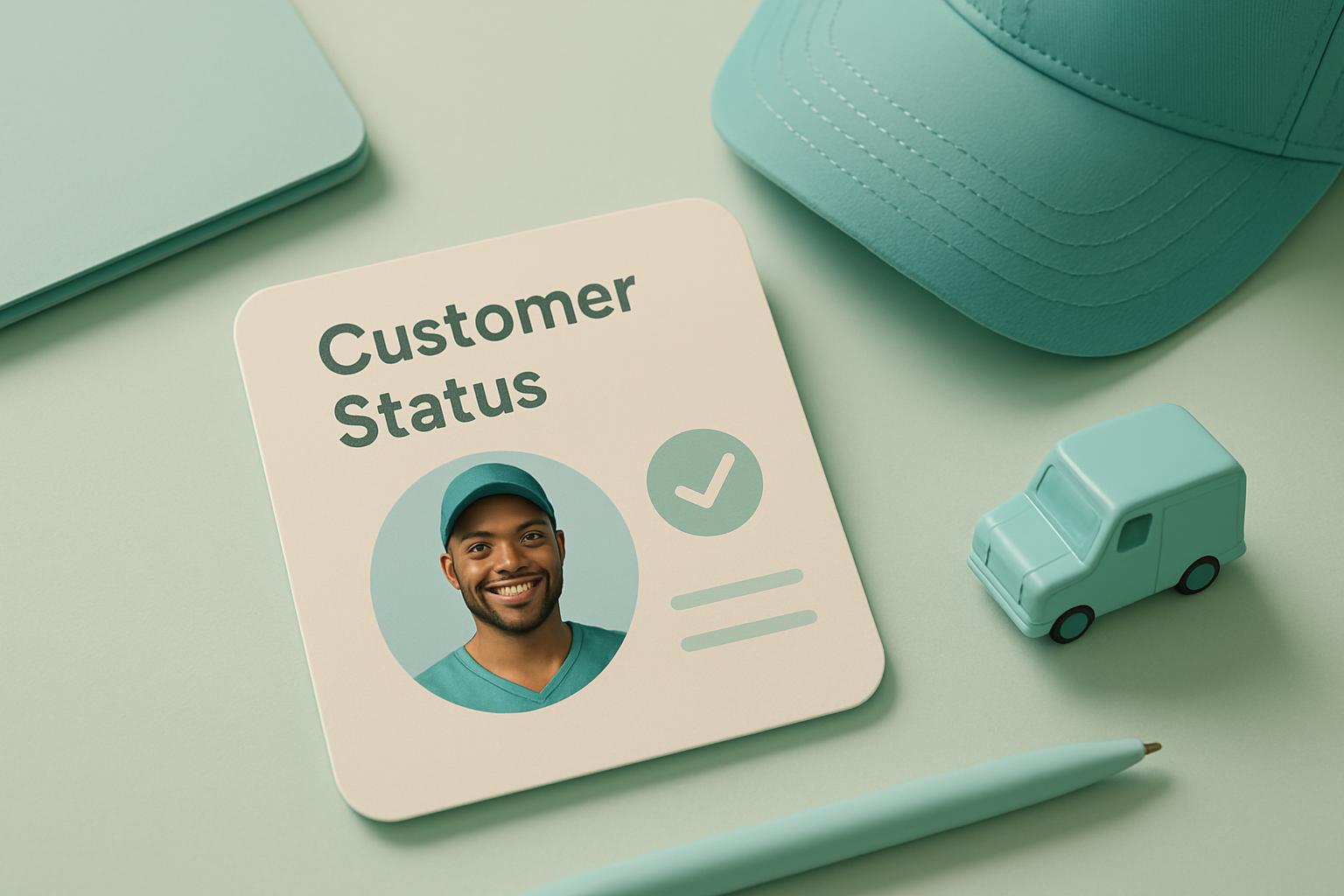
What the customer status card is, and why it matters
The Customer status card is a physical, one-page tool designed to help South African SMEs keep track of client deliveries, collection status, and outstanding actions. Unlike a spreadsheet that vanishes when the Wi-Fi drops, this card lives on the wall or near the kettle, visible to anyone on the floor. It works for owner-led teams, busy ops rooms, or any bay where the week’s work can turn into a swirl of WhatsApps and missed messages. Each card is tied to a named owner and a set review time, so key details don’t get buried in inboxes.
If your team prints out loading lists, needs daily oversight, or spends Monday mornings chasing what slipped through on Friday, this card suits you. If you already run a full project management programme or only work with a handful of repeat clients, you might not see value here. But for growing ops teams, especially those juggling urban routes, returns, or high-frequency customer touchpoints, the status card clears the fog.
Who uses it, and who should not
We built the Customer status card for South African teams who move real freight weekly: industrial parks in Germiston, florist vans in Durban, or suburban loops in Cape Town. If your owner still attends the standup or your dispatcher walks the floor with a clipboard, this card fits right in.
However, larger teams with integrated TMS systems, centralised digital dashboards, or automated alerts will likely find more value pairing the card with digital tools rather than relying solely on paper. Businesses handling sensitive regulatory loads may also choose different rhythm tools better suited to their compliance needs. If all you need is a quarterly check-in, this daily or weekly review card may not move the needle.
How the card works on a SA ops floor
Each Customer status card is completed in ink, assigned to one owner, and updated at the same time every week or day, often after the morning coffee or pre-load check. The card’s columns keep things specific: customer, lane, next cut-off, current status, honest exceptions, and a clear escalation line through our contact form if support is needed.
On a typical Germiston loading bay, the card is pinned by the kettle, so anyone from the packer to the area manager can see if a florist’s same-day drop still needs a call or if yesterday’s returns are outstanding. When the week turns loud, load-shedding, surprise municipal checks, or an urgent handover in Gqeberha, the card quickly shows who owns which issue, what matters most, and which jobs can be safely delayed. Pair it with Monday lane board or returns clear cards for deeper tracking.
A worked example: handling returns after load-shedding
Suppose your workshop in Bloemfontein handles weekly returns from four neighbourhood hardware stores. Monday morning, the Customer status card is reviewed with the owner and ops lead. The exceptions column lists that the Friday Gqeberha return was missed due to a power cut and transformer issue, marked factually, no naming and shaming. The card owner sends a photo and notes that the next cut-off is Wednesday. This keeps the return on everyone’s radar, even though digital systems went offline during load-shedding.
The card is updated, pinned, and checked at the next standup, keeping the whole team aligned. If the same problem recurs, you can pair the card with a power soft-move tree to build in extra resilience.
What to prepare before you send us a message for a tailored card
If you want a variant of the Customer status card tuned to your specific lane, suburb, or delivery stress, gather these points before sending our contact form. The more details you share, the more useful your tweak will be. Consider which columns you actually update, who owns the review, and what drives your exceptions, urgent collections, last-mile florist drops, or long-haul returns.
Custom cards work best when you describe your typical week honestly: peak delivery days, average exceptions, and how often load-shedding interrupts your floor. Add any internal move or hub transfer process you already use, so your card fits real habits.
- Lane or route names handled by your team
- Typical delivery or pick-up cut-offs by day
- Usual owner who reviews or marks the card
- Biggest pain points, missed returns, high-frequency drops, or fragile goods
- Whether you pair with other paper moves, lane boards, or soft-move plans
Common pitfalls and how to avoid them
The Customer status card fails when no single person owns the review, cards gather dust, become outdated, or turn into a blame list. The exceptions column must stay strictly factual. Write what was missed, but never use the card to finger-point. When power outages or postal strikes cut a week short, protect the checklist lines first, and leave out the decorative notes until things stabilise.
Another trap: not linking your cards to moves or handover processes. For best results, connect your Customer status card with moves, lanes, and regional hubs tracking, so team members can trace any issue back to the supporting process. If you ever get stuck, ask through our contact form for guidance.