
Lane
Suburb parcel loop
Run steady afternoon parcel loops in estates and complexes with a focus on gatehouse transparency. Cut down on missed deliveries and firefights with discipline built for local teams.


Hello Suburb
Suburb loop cards for densifying estates, complexes, and gatehouses that slow the afternoon.
Explore →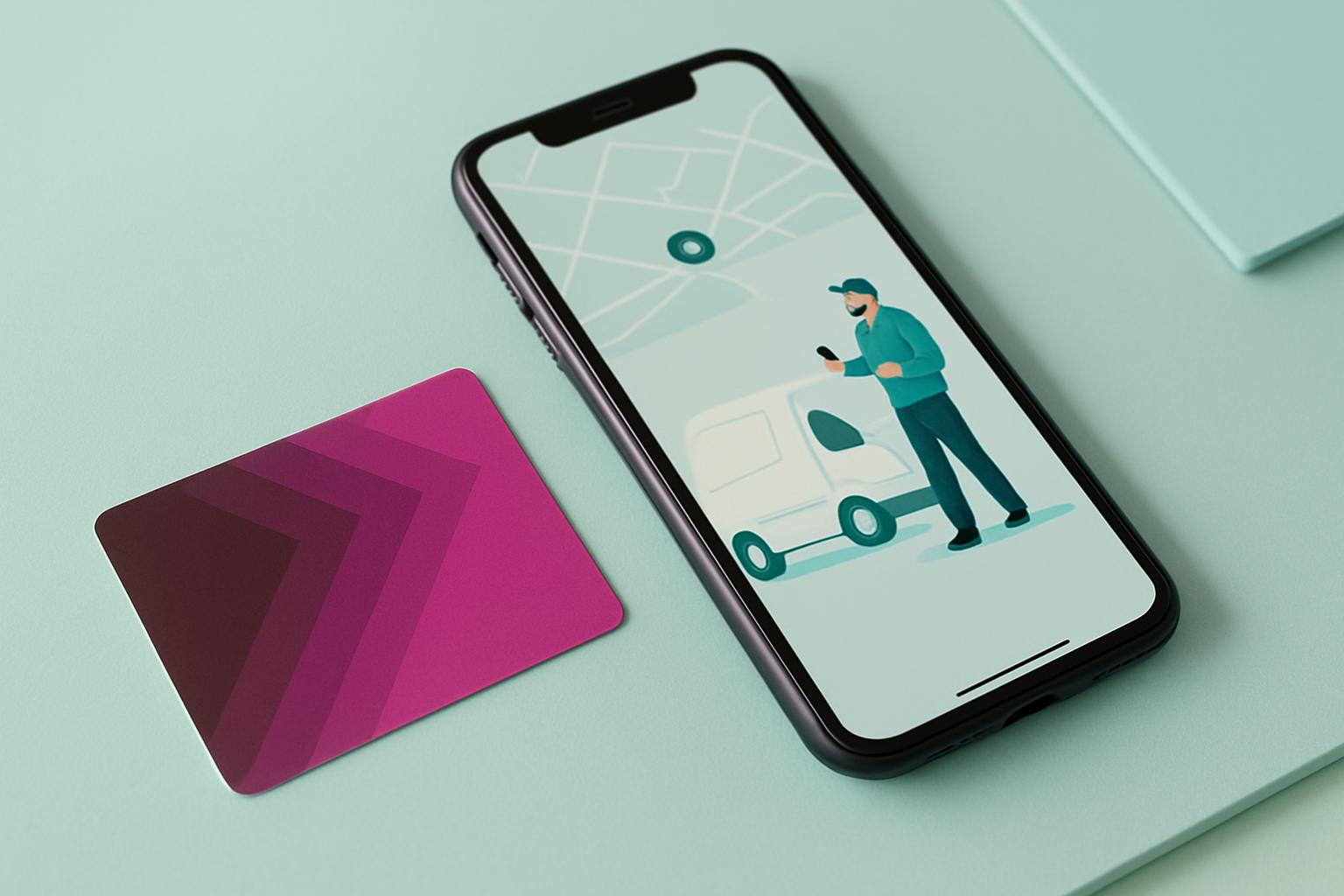
Hello Route
A calm planner for repeat delivery lanes, collection windows, and fewer frantic calls.
Explore →
Hello Slot
Delivery slot cards customers can book without trapping the courier in impossible windows.
Explore →What the suburb parcel loop covers
The suburb parcel loop is a practical run card for dense South African estates, complexes and townhouse zones where a simple drop-off can stretch into a drawn-out saga. We see missed gate codes, long gatehouse queues, security forms, and the odd power cut that halts intercoms. This lane is made for SME courier teams who run multiple parcels per suburb, especially during Gauteng or coastal afternoon spikes when customers and caretakers are bracing for the day’s last rush. It suits a team that moves repeat volumes but cannot carry the overhead of a full 3PL programme. If your volumes are one-off, or every address is far-spread, this lane might feel heavy. For light, infrequent suburb drops, other moves may fit better.
How the loop runs in practice
A typical suburb parcel loop starts with early-morning mapping of all target addresses in the estate or complex. One operator tracks access codes, gatehouse hours, and any block-specific restrictions. Parcels for clustered handovers are sorted by exact block or street, not just by estate. Couriers make the loop in a tight window, usually late afternoon when most recipients are back or caretakers are alert. Parcels are checked in at the gatehouse using the daily run sheet, and the update note is kept close in case power or access gets interrupted. The team focuses on completing each cluster before moving to the next, avoiding backtracking that burns fuel and patience. Repeat lanes are logged for consistency. Checklists are used so even if the week is noisy, no parcel is left behind.
Who benefits, and who should skip it
This lane is ideal for SME delivery teams, micro-couriers, and business owners who repeatedly move parcels in estates or complexes where gatehouse checks and access delays usually disrupt momentum. If you regularly deliver samples, pharmacy care, or home-based e-commerce in places like Midrand’s complexes or Umhlanga’s lifestyle estates, the suburb parcel loop shields your team from lost parcels and finger-pointing. It does not suit teams who only deliver once in a blue moon to a suburb, or whose parcels are all high-value single runs (such as legal drops and oversized cargo). For those, the e-commerce handover or mall collection calm might be a better fit.
Short example from the floor
Picture a courier team with weekly drops in a Johannesburg North estate. The operator sits down each Monday, logs the five addresses needing parcels this week, and calls the main gate to confirm access will be open after 15:00. Parcels are grouped by block, and a single run sheet tracks the gatehouse sign-ins. On Wednesday, when Eskom cuts the power just as they arrive, the checklist in the cab reminds the driver to get manual sign-off and check backup intercoms at the gate. The loop handles the week’s noise, no frantic chasing, no lost parcels, no paperwork left unsigned. Handover proof goes back to the office cleanly.
What to have ready before you contact Hello Logistics
Get your problems and the key move ready before reaching out. A half-done list is better than nothing. Send us a message through our contact form with your lane name, city, list of addresses, and note which checklist points are already sorted. Attach any gatehouse forms, estate rules and preferred drop times, this all helps us avoid running loops on guesswork.
- Lane name and city (for example, Suburb parcel loop, Pretoria East)
- List of receiving addresses with estate/complex names
- Any security requirements or estate rules
- Preferred delivery windows and gatehouse hours
- Problem line (what slows your loop)
- Checklist items that are already sorted
- Who will handle exceptions or out-of-hours handover
Common pitfalls and how to sidestep them
Teams often skip checklist prep, which leads to estate misses or parcels stuck at a closed counter. Gatehouse staff may swap shifts without warning, losing forms or forgetting about your run. Load-shedding can kill intercoms or cause queues at manual gates, especially late on Fridays. The biggest risk is mixing the checklist with the showpiece work, save the hero work for later. Always protect the checklist first. Make sure every run finishes with the update note so ops teams stay in sync and language is consistent across your routes.
What our Last-Mile Delivery customers say
Verified Google reviews