
Lane
Warehouse overflow
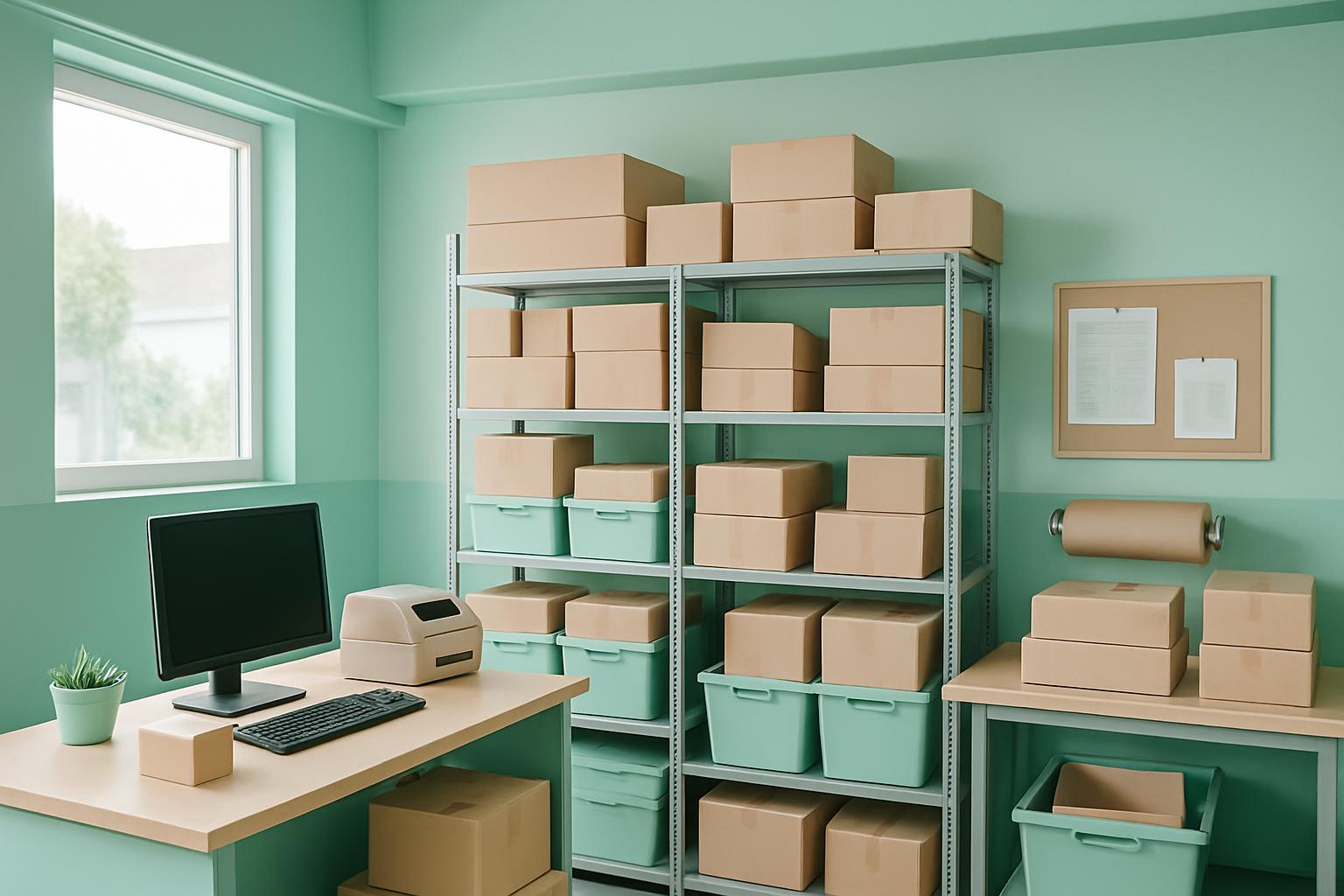
When your small warehouse runs out of bay or collection slots, you need overflow handover moves that fit South African schedules and keep your deliveries calm.

Hello Bulk
Bulk SME load notes for stationery, promo kits, and light pallet handovers that still need courtesy.
Explore →
Hello Bay
An ops kit for small logistics teams who still run the week from a shared table and a kettle.
Explore →
Hello Route
A calm planner for repeat delivery lanes, collection windows, and fewer frantic calls.
Explore →What warehouse overflow means for smaller teams
Warehouse overflow happens when your team has more stock, parcels or pallets than your storage bays or staging floor can handle. For South African SMEs, this usually arrives after a big supplier drop, a cancelled outbound, or a seasonal spike in orders. Overflow can cause missed collections at estates, closed industrial parks after 4pm, or just a packed-in dispatch bay making it hard to locate tomorrow’s deliveries. If your team is juggling last-mile drop-offs, event kits, or office stationery, you can’t afford to lose track because you’ve lost space.
This lane is not aimed at operators with dedicated 3PL or warehouses with extra racking space. It's for small dispatch rooms, busy ops benches, retail storerooms and teams who mostly run deliveries with their own bakkie or panel van. If you have daily line-hauls or a warehouse management system that auto-balances overflow, another setup will suit you better.
How overflow handovers work in practice
We bring order by running a short, checklist-driven process. The process makes each overflow visible and stops parcel loss or rework. When you send a message through our contact form with your handover problem, we work from your lane notes, bay count and current week’s plan. Usually, we’ll suggest a suitable move (such as a temporary hub drop or a relay handover at a quiet site) and assign the move to the right van or courier. This keeps your main bay moving, even as you wait for a delayed pickup or must split runs because of load-shedding windows.
Our operators expect confusion at the start (that’s normal). Most local teams try to skip checklists and “just make a plan”, but calm execution only happens when everyone has the same update note and primary move. We’ll help you separate the checklist (hard moves and signoffs) from the hero work, so that the ops lead and driver know exactly who greets which bay, when, and what waits for a power window.
Which warehouse-overflow deliveries suit growing SME teams, and which ones need another model
Warehouse overflow moves are best for South African SMEs with limited storage, manual checklists and dispatch floors that double up as break areas. You benefit most if your ops lead still tracks parcels on a whiteboard, there’s no fancy WMS, and teams help with packing between van runs. Event teams, schools, clinics, and growing e-commerce sellers often run into overflow, especially in Gauteng or coastal business parks where it’s hard to find extra bay.
We’re not a fit for large factories, high-volume regional DCs with automated racking, or teams with their own warehousing manager and custom stockroom software. If you never lose parcels, never run short on space, or already automate overflow dispatch, consider reviewing other lanes that fit your structure better.
A worked South African example
A Polokwane stationery supplier runs weekly outbound to schools, but a midweek promotional kit drop floods its small storeroom. There’s a queue of kits and not enough bay for both stationery orders and promo boxes. The ops lead writes the main problem: 'No space for Friday kits, risk of missed estate handovers.'
We review the move options and agree to use a temporary handoff at our local Germiston regional hub. The supplier’s driver runs the extra load before 2pm to avoid afternoon metro traffic and rolling blackouts. A checklist note tracks which school parcels are still green. By Monday, the kits are collected by the event promoter from the hub, avoiding confusion in the storeroom and keeping the weekly routine on time. We keep the move notes so the next overflow runs even smoother.
What to prepare before you message
If overflow is the issue, gather the practical lane details before sending a message through our contact form. We only need enough to recommend the right move and document the checklist. If you have a run sheet or lane notes, include them. If not, a one-liner describing the problem works. The goal is clarity, not perfection. If the ops lead is naming a move, add which bays or parcels are urgent, any power window constraints, and the town or suburb for the handover.
- Summarise the overflow in one sentence (what, where, why now)
- List bays or parcels most at risk of going missing
- Note your regular van routes and available handover times
- Mention load-shedding slots or building access limits
- Include any recent update notes or checklists from your ops lead
Common pitfalls and how to avoid them
Skipping the checklist is the fastest way to lose parcels or double up on calls. Too many teams try to fix overflow with WhatsApp or last-minute phone calls, but this usually ends with someone chasing the same pallet twice. If you face load-shedding, always compress the week’s checklist but never cut it out: keep the signoff note and move record. Protect power windows for actual handovers, not the decorative paperwork. Use dispatch notes and project checklists to track exceptions and decide, before Friday, if you need to widen the overflow or call it done.
Warehouse overflow feels noisy. Keeping each move and update note linked gives your team a calm path through busy weeks. When in doubt, mail us a partial list, clear beats clever every time.
What our Last-Mile Delivery customers say
Verified Google reviews