
Lane
Campus drops
Campus drops are designed for SMEs handling regular parcel runs into university, tech, or college buildings where security, check-ins, and timing matter most. We bring checklist discipline to cut out confusion and missed entry windows.


Hello Slot
Delivery slot cards customers can book without trapping the courier in impossible windows.
Explore →
Hello Handover
A customer-ready handover flow for parcels that need care, clarity, and a local human touch.
Explore →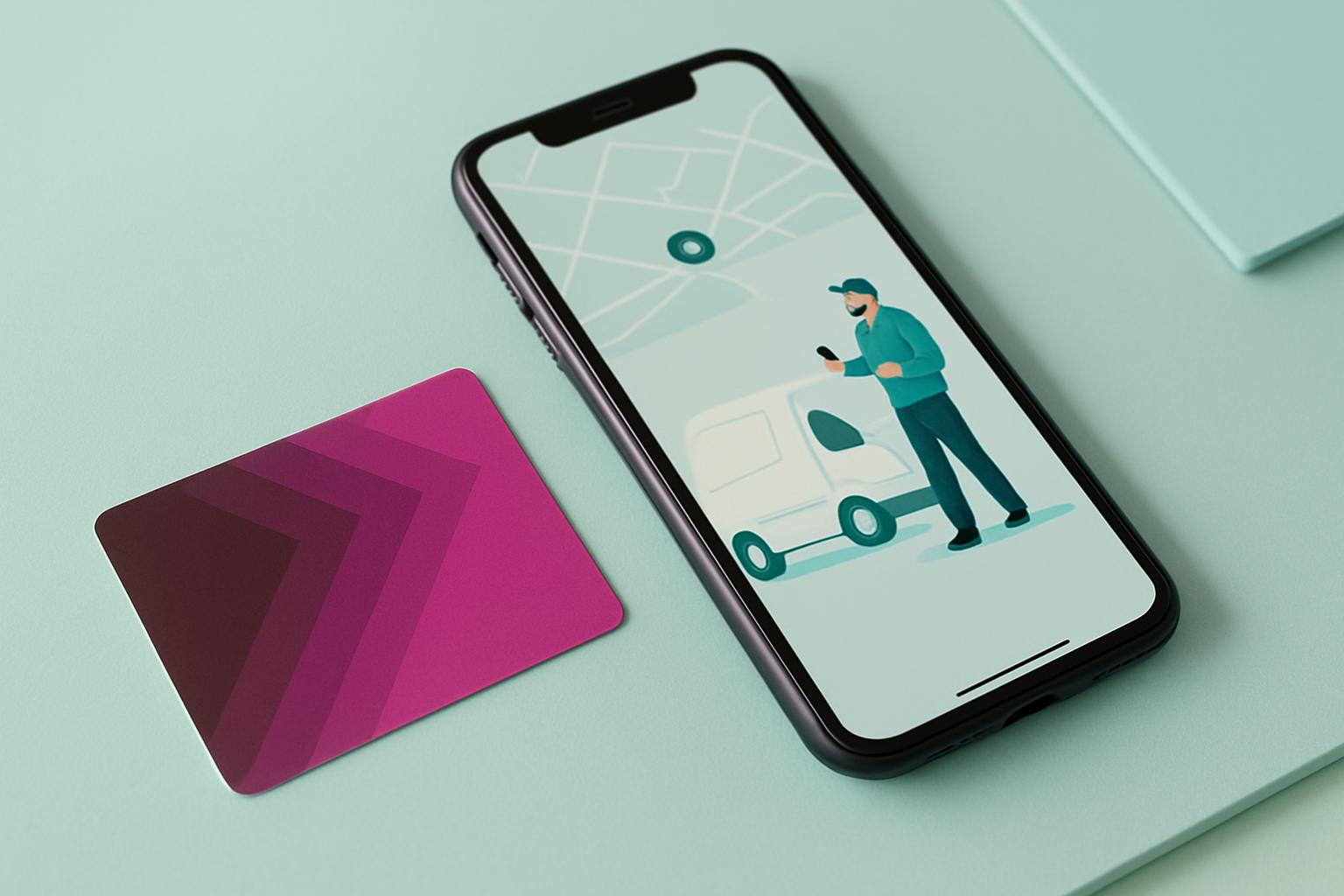
Hello Route
A calm planner for repeat delivery lanes, collection windows, and fewer frantic calls.
Explore →What campus drops offer South African teams
Campus drops are a practical delivery pattern for businesses that need to hand parcels to people in secure buildings, think universities, colleges, industrial training centres, or research hubs. Instead of guessing who to call at the gate or chasing security office signatures, each run is mapped with a concrete checklist, proper floor cues, and ready-to-print lane cards. Campus drops work best for teams sending IT gear, course packs, uniforms, lab kits, or other items that cannot just be left at reception.
This lane suits operations and dispatch teams who value control, record-keeping, and a calmer week. If you are running equipment swaps, onboarding new students, or distributing exam packs, campus drops keep your team organised. It is not the right route for bulk stock to a single central store or casual flyer drops. For those patterns, look at warehouse overflow or event kit moves.
How it works on the campus floor
Campus entry is rarely predictable. Every parcel run has to clear rules at security, sometimes sign in at the admin block, and often follow narrow handover slots dictated by lecturer or administrator availability. Our team builds in honest AM or PM delivery bands to avoid trapping the courier with impossible windows. We attach move cards and floor cues, so operators know exactly where to pause and whom to greet.
Each campus drop is anchored by a short run sheet and a lane card that details the planned moves. We recommend meeting in designated pickup spots and always logging the parcel handover, including a local contact for queries. When the week goes sideways, load-shedding, early campus closures, or a last-minute room change, your checklist keeps the run on course. Checklists for this lane are always kept separate from any decorative project work to avoid confusion during pressure moments.
A worked example: IT device handover at a Gauteng campus
A small tech reseller in Gauteng services university IT upgrades. Most weeks, the operations team needs to deliver asset-tagged laptops to staff in three different buildings, all on tight campus hours. With campus drops, runs start with lane planning: list the buildings, note the security gate rules, print lane cards, and brief a fallback contact for each stop.
On Wednesday, the courier checks in at the main gate with the printed lane card, uses the designated drop zone for each building, and calls the administrative assistant (whose number is on the lane card) if a door is locked. AM and PM delivery slots prevent wasted trips. The checklist ensures parcels only leave the floor with a logged handover, cutting missed delivery claims.
What to have ready before you ask about bakery morning lanes in your area
To help us keep things calm, send a short message that covers the essentials. We can work with a half-complete checklist, but it is helpful to include the lane name, your city, and which items below are already set for your run. A clear checklist lets us build a lane card and confirm your slot.
Most first-time teams forget at least one contact or skip the gate procedure notes. Having a named ops lead for the lane keeps communication accountable. Let us know upfront if your run has medical or exam material, as this affects how we plan fallback steps.
- Campus name and main gate address
- Building or floor where parcels will be delivered
- Contact person at each drop point (mobile and backup message)
- Preferred delivery window (AM or PM, not exact times)
- Security check-in steps (IDs, parking, sign-in counters, etc.)
- Special handling for sensitive items (locked boxes, temperature limits, etc.)
- Who signs or logs the handover at each site
Pitfalls and common problems
Most campus delivery failures come from skipping the checklist. When security is surprised, parcels sit at the gate and get lost in admin. Closed counters, load-shedding shifts, and missing contact numbers can stall a whole morning. If your team gets excited and blends the route with unrelated work, important steps get missed.
Always separate the checklist work from the hero moves. Campus drops are built for discipline, not improvisation. Early entries in the week protect against late-week rushes and power cuts. If you miss a day because of load-shedding, compress moves into the next power window and stick to the checklist. For more delivery lanes that suit teams running weekly floor moves, browse Lanes, Hello Logistics or review our collection routines under suburb parcel loop.
What our Last-Mile Delivery customers say
Verified Google reviews